September 30, 2026
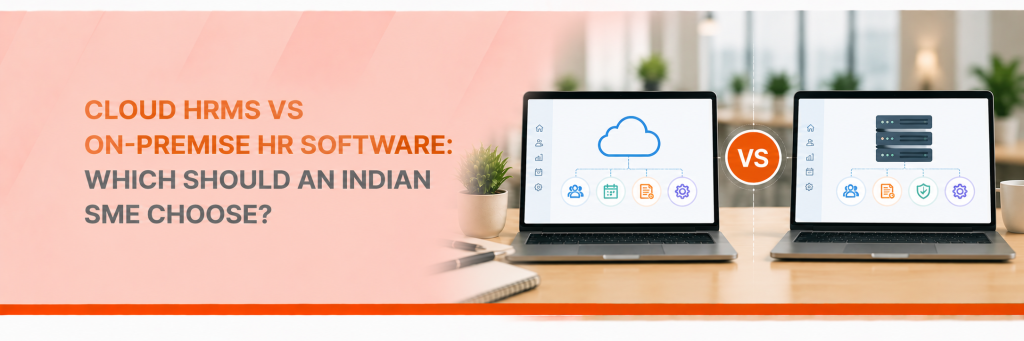
Cloud HRMS vs On-Premise HR Software: Which Should an Indian SME Choose?
ReadDiscover Why OpportuneHR is the best HRMS Software in India! Schedule a Demo OR Call us @ +91 7700-954949


 Visited 37 times


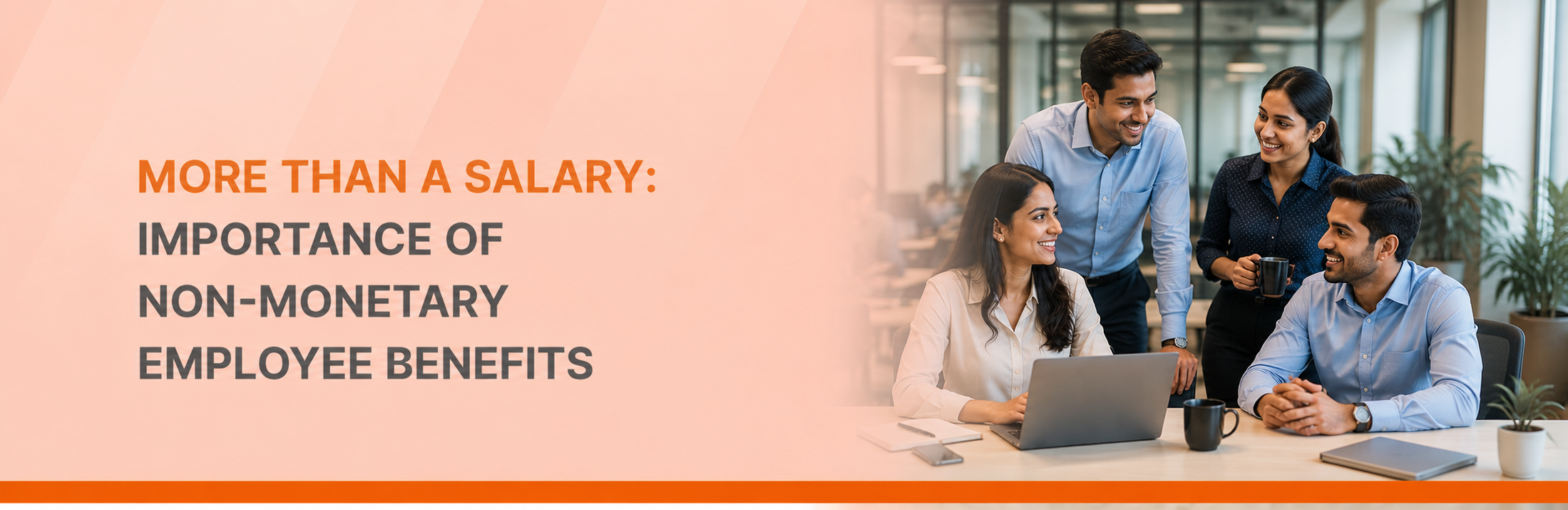
Let’s be honest: we all work because we have bills to pay. A competitive salary is the baseline—it’s the “price of entry” for any company looking to hire talent. But if you’ve ever sat at your desk on a Sunday evening feeling that familiar knot of dread in your stomach, you know that a few extra zeros on a paycheck don’t magically fix a soul-crushing culture.
The truth is, the relationship between employers and employees has grown up. We’re moving away from the old-school “transactional” mindset and toward something much more human. Today, the secret sauce to keeping a team happy isn’t just about how much you pay them, but how well you treat them.

We’ve all had those days where life hits hard—a sick kid, a personal health scare, or just plain burnout. In those moments, an extra bonus doesn’t help nearly as much as an empathetic boss or a company policy that actually has your back.
Non-monetary benefits are the way a company says, “I see you, and I care about your life outside these four walls.” For instance, providing solid Group Health Insurance isn’t just a corporate line item; it’s the gift of sleep. It’s the peace of mind that comes from knowing that if something goes wrong, the family is protected. That kind of security creates a bond of loyalty that money can’t buy.
If the last few years have taught us anything, it’s that work can happen anywhere. Flexibility is no longer a “perk”—it’s a sign of mutual respect. When you give someone the flexibility to manage their own schedule, you’re telling them, “I trust you.”
Whether it’s letting someone start late so they can drop their toddler at daycare or offering “recharge days” to prevent burnout, you’re investing in their mental well-being. People don’t quit jobs that treat them like responsible adults; they quit jobs that track their mouse movements.
Human beings are wired for Connection and Recognition. We want to know that our late nights and creative solutions actually matter. A culture that prioritizes non-monetary rewards—like personalized mentorship, public “kudos” in a team, or professional development opportunities—builds a sense of purpose.
When employees feel like they are growing as individuals, they don’t just “do their jobs.” They bring their best, most creative selves to the table.
Of course, keeping track of all these moving parts—the flexible shifts, the wellness programs, the feedback loops—can get messy. This is where your HRMS Software becomes your best friend. Instead of being a cold, robotic database, a great HRMS acts as the digital heartbeat of your office. It’s the tool that makes it easy for an employee to book a mental health day or for a manager to send a quick note of appreciation. It removes the “clutter” of paperwork so you can focus on the people.
In a world where everyone is “hustling,” the companies that win are the ones that lead with heart. Salaries get people to sign a contract, but the human touch—the flexibility, the health support, and the genuine appreciation—are what make them stay for the long.
Invest in the person, not just the position. Everything else will follow.