October 9, 2026
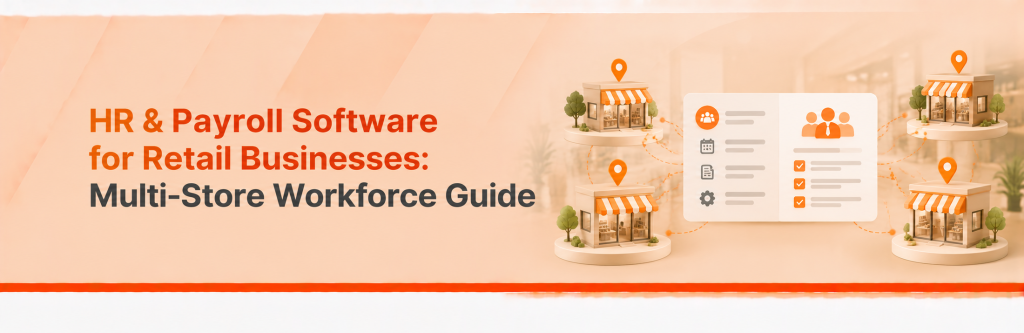
HR & Payroll Software for Retail Businesses: Multi-Store Workforce Guide
HRMs Software, Payroll software
ReadDiscover Why OpportuneHR is the best HRMS Software in India! Schedule a Demo OR Call us @ +91 7700-954949


 Visited 24 times


Every employee wants to do well at work.
But sometimes, performance issues are not caused by lack of effort—they’re caused by lack of guidance, skills, or confidence.
And that’s where training becomes important.
The real challenge for organizations is not just conducting training programs. It’s identifying who actually needs training, in what area, and why.
Because let’s be honest—generic training sessions rarely work anymore.
Employees learn better when training feels relevant to their role, growth, and daily work.

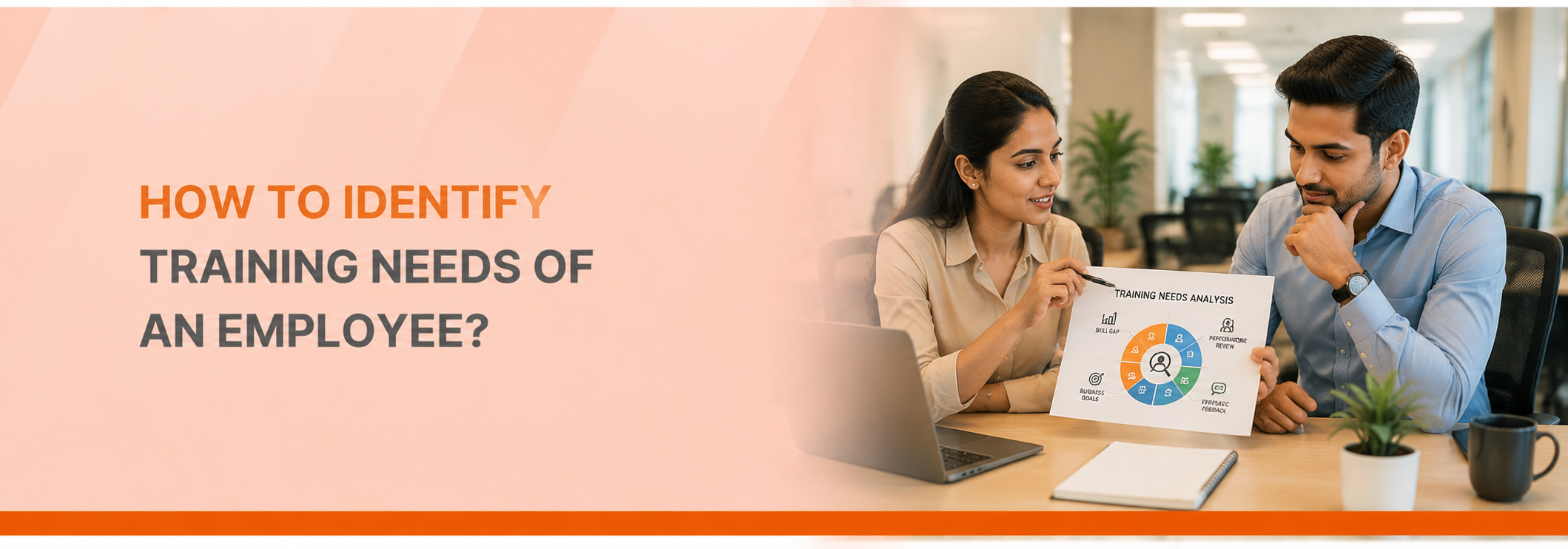
Training need identification is the process of understanding:
In other words: It helps organizations find the gap between current performance and expected performance.
Because training without purpose becomes a waste of time—for both employees and the company.
When organizations identify training needs properly:
Good training is not about “doing more sessions.”
It’s about solving the right problems.
There’s no single method. Usually, it comes from observing patterns, conversations, and performance data.
Here are some of the most effective ways.
One of the simplest ways to identify training needs is through day-to-day performance observation.
Managers should look for:
For example:
Performance gaps often point directly toward learning gaps.
Performance reviews are one of the best places to identify development needs.
During reviews, managers can discuss:
Feedback from:
Reviews should not just measure performance—they should guide growth.
Sometimes the easiest approach is the most effective.
Ask employees:
Employees often know exactly where they need support.
And involving them in the process makes training feel more meaningful.
A skill gap happens when an employee’s current abilities don’t match the requirements of their role.
For example:
Identifying these gaps early prevents future performance issues.
Workplaces evolve constantly.
New tools, systems, and technologies often require employees to learn new skills.
Training may become necessary when:
Continuous learning is no longer optional—it’s part of staying relevant.
Training should support organizational goals—not happen separately from them.
For example:
When training aligns with business goals, it creates real impact.
Managing employee development manually can become difficult as teams grow.
This is where HRMS Software becomes extremely helpful.
With the right HRMS Software, organizations can:
It helps HR teams make smarter training decisions based on real data—not assumptions.
Many companies invest in training but still don’t see results because they:
Training works best when it is personalized, practical, and continuous.
Identifying training needs is not just an HR activity—it’s an investment in employee growth.
When organizations understand where employees need support, training becomes more meaningful, employees become more confident, and performance naturally improves.
Because sometimes, employees don’t need more pressure.
They simply need the right guidance and opportunities to learn.
And with the support of the right HRMS Software, identifying training needs becomes easier, faster, and more data-driven.
At the end of the day, great organizations grow when their people grow.