Category Hr Tech

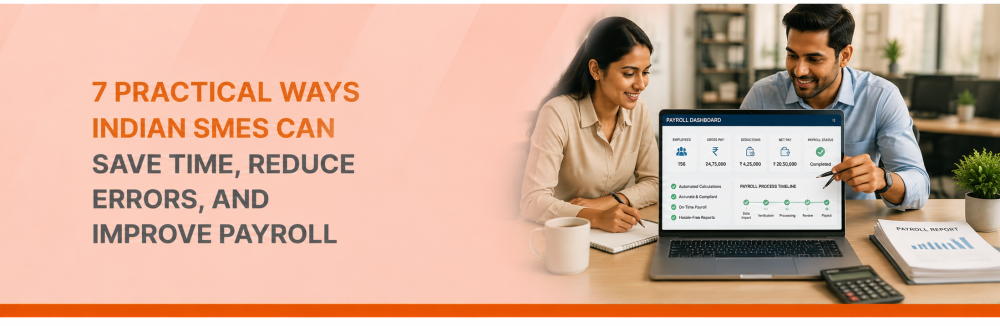
AI in Payroll: 7 Practical Ways Indian SMEs Can Save Time, Reduce Errors, and Improve Payroll

Your HR team is busy collecting attendance data, checking leave records, calculating overtime, validating tax deductions, ensuring statutory compliance, answering employee questions, and making sure salaries are credited on time.

Continue reading

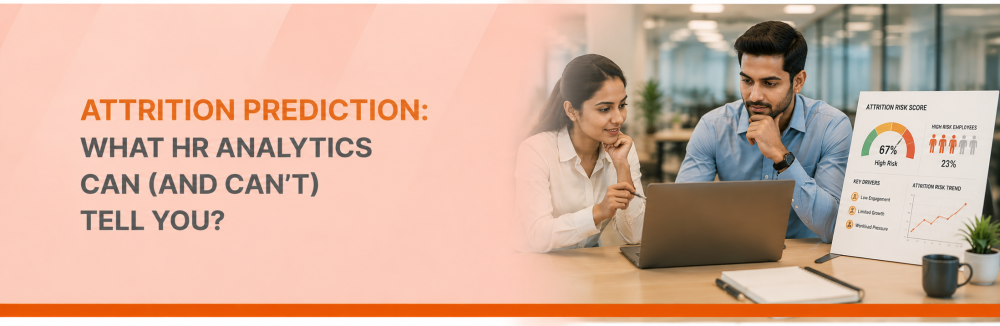
Attrition Prediction: What HR Analytics Can (And Can’t) Tell You?

HR analytics can identify patterns linked to employee attrition, including declining engagement, absenteeism, performance changes and salary gaps. However, it predicts probability, not certainty, and depends on reliable data, larger datasets and human judgement.

Continue reading

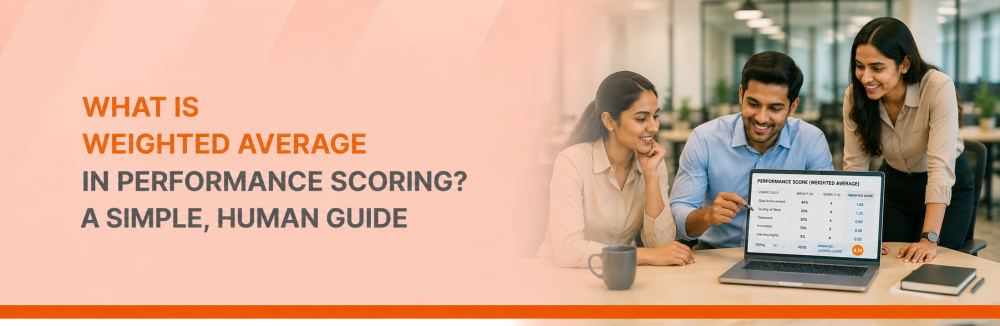
What is Weighted Average in Performance Scoring? A Simple, Human Guide

Weighted Average performance scoring gives different importance to each evaluation criterion, helping organizations create fairer, role-specific reviews. It aligns employee performance with business priorities while improving transparency, accuracy and consistency

Continue reading

How To Get Better ROI On HR Automation?

In today’s fast-paced and technology-driven world, automating HR processes has become a necessity for organisations. It saves time and reduces errors. And also enables HR professionals to focus on more strategic tasks, such as talent acquisition and development.

But many SME business owners remain in a dilemma, should they go for HR automation or not?

Continue reading

Data Driven HR.

What Is Data-Driven HR?

Human resources have undergone a significant transformation in recent years. No longer is it solely focused on hiring and firing employees. It has evolved into a strategic function that can drive business success. One crucial tool that HR can leverage to achieve this is data.

This has become more and more affordable as HR tools like HRMS software capture a large amount of relevant HR data. This is a goldmine for business owners, with a data-driven HR approach.

Data-driven HR means using data analytics to make informed decisions about workforce management. In other words, it’s all about using data to inform and guide the HR function.

Continue reading