Visited 246 times
September 11, 2026
greytHR vs OpportuneHR: Pricing, Features & Compliance Compared in 2026
Hr Tech, HRMs Software, Payroll
ReadDiscover Why OpportuneHR is the best HRMS Software in India! Schedule a Demo OR Call us @ +91 7700-954949


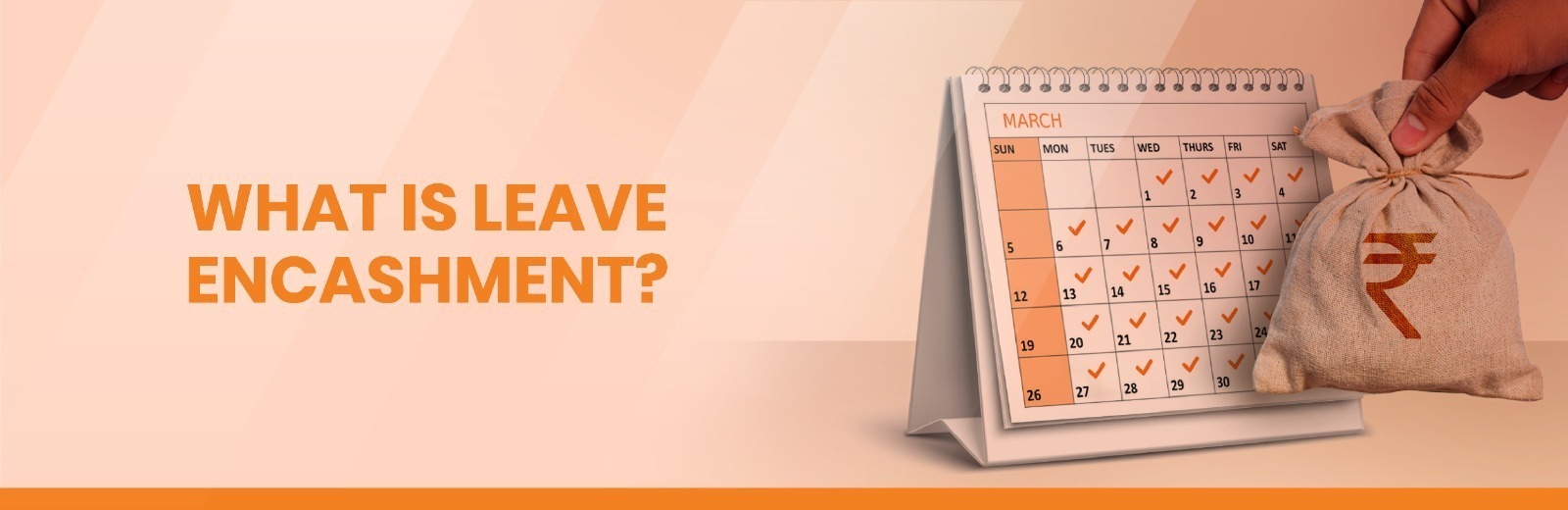
One of the questions I often hear from employees during orientation sessions or casual HR catch-ups is, “What exactly is leave encashment?” For many, it feels like jargon, something complicated, or just another HR process hidden in policy documents. But in reality, it’s quite simple. Let me explain in plain language.

Every employee is entitled to a certain number of paid leaves in a year—be it earned leave, privilege leave, or annual leave. These leaves are meant to give you time off for rest, family, or personal needs. However, not everyone uses all of them.
Leave encashment is the process of receiving money for your unused paid leaves. If you don’t take some of your eligible leaves, instead of letting them expire, your company pays you their value in cash—this is then recorded and processed as part of the payroll.
With modern payroll software, tracking leave balances and calculating encashment becomes seamless. It ensures employees are compensated fairly for their unused time off, while organizations maintain accurate payroll records.
In simple terms, your time has value. If you don’t spend it on a holiday, the company—through efficient payroll management—makes sure you still benefit financially.
From an HR leadership perspective, leave encashment is more than just a policy—it’s part of employee care.
Different companies have different practices, but these are the most common situations:
The formula is usually based on your basic salary (plus dearness allowance, if applicable) and the number of leaves to be encashed.
Here’s a simple example:
Daily salary = ₹30,000 ÷ 30 = ₹1,000
Encashment amount = 20 × ₹1,000 = ₹20,000
This is just a standard method. Exact rules may differ depending on the organization’s leave policy.
A very important point employees often ask: Do I have to pay tax on it?
The finance or HR payroll team usually helps employees understand the applicable exemptions.
From my experience, here are four simple takeaways for employees:
To me, leave encashment reflects how organizations value their employees’ time. It ensures that your dedication is recognized whether you choose rest or extra income.
As HR leaders, we encourage employees to take breaks, recharge, and spend time with loved ones. But when work or life gets in the way, leave encashment provides a financial cushion.
At its core, it’s about fairness and respect. Your time matters—whether you spend it on yourself or convert it into money, it doesn’t go to waste.
Leave encashment converts unused leave into cash and ensures that employees get fair value for time they couldn’t take off.
To make the most of it, employees should know their company’s policy, and understand how the payout is calculated and taxed. If unsure, ask HR or a tax advisor.