Visited 72 times
September 28, 2026
Attendance-to-Payroll Integration: Why Disconnected Attendance Data Costs You Every Month
ReadDiscover Why OpportuneHR is the best HRMS Software in India! Schedule a Demo OR Call us @ +91 7700-954949


Ever wondered what happens behind the scenes before your salary hits your bank account?
It’s not just numbers being processed — it’s precision, compliance, and responsibility in motion.
At the heart of it all lies one crucial document: the Pay Register.
I often say — “A well-maintained pay register is the heartbeat of payroll accuracy.” Let’s break down what it really means and why it’s so vital.

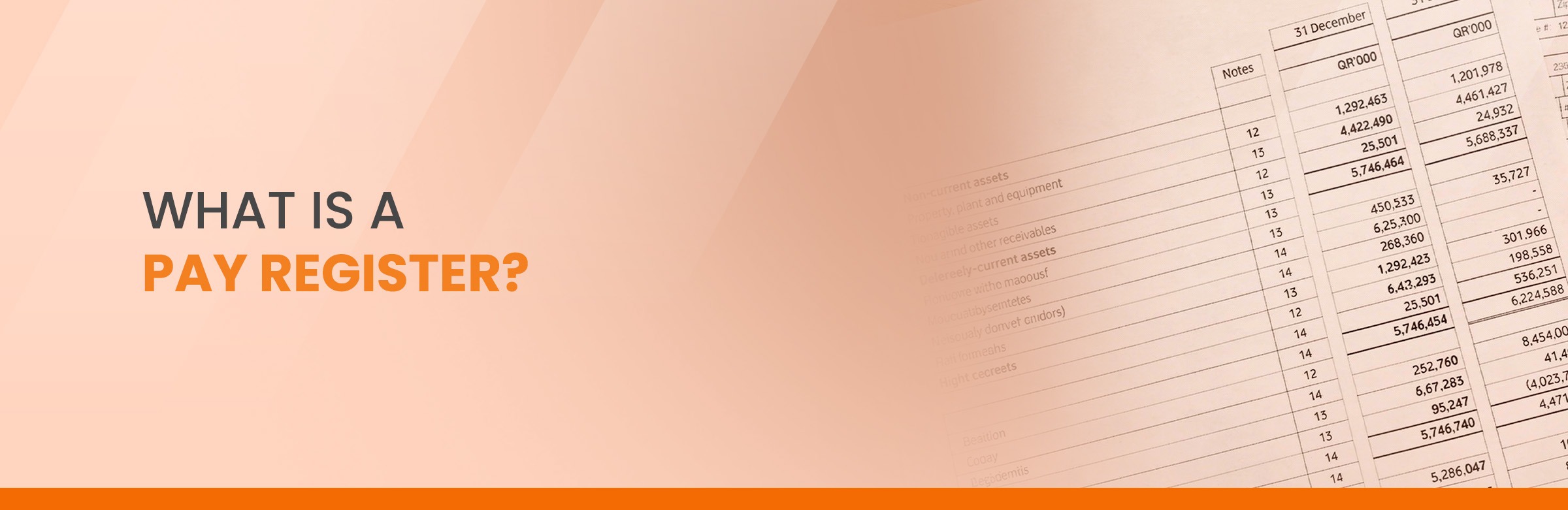
A Pay Register is a comprehensive record that captures the salary details of every employee for each pay period, typically generated and maintained through payroll software.
It’s the master payroll document that consolidates everything — from earnings and deductions to employer contributions and net pay.
In simple terms, it’s a one-stop record of what an organization pays, deducts, and contributes for every employee each month.
A standard pay register typically contains:
In short, it’s the foundation of every payroll cycle.
From a payroll management standpoint, maintaining a pay register serves multiple purposes:
Gone are the days of bulky registers and manual entries.
Modern HRMS software have digitized the entire process — making pay registers real-time, error-free, and audit-ready.
Automation ensures:
I see it as more than compliance — it’s payroll intelligence in action.
A Pay Register is not just a document — it’s the backbone of payroll integrity.
It ensures employees are paid accurately, deductions are lawful, and organizations remain compliant.
When maintained well, it strengthens trust — between HR, finance, and every employee on the payroll.
Payroll excellence starts with mastering the basics — and the pay register is where it all begins.