October 13, 2026
Zoho People vs OpportuneHR: Pricing, Features & India Fit Compared (2026)
ReadDiscover Why OpportuneHR is the best HRMS Software in India! Schedule a Demo OR Call us @ +91 7700-954949


 Visited 5 times


Your HR team works hard to ensure salaries are paid accurately and on time. But how confident are you that employee data is receiving the same level of protection?
Every day, HR teams handle some of the most sensitive information in an organization.
Bank account details. Aadhaar numbers. Salary records. Medical certificates. Family information. Performance reviews.
It’s the kind of data employees trust their employer to keep secure.
Now imagine a payroll file accidentally being shared with the wrong employee.
Or an employee discovering that their personal documents are still sitting in the company’s systems years after they resigned.
Incidents like these may seem like simple administrative oversights, but in today’s privacy-focused environment, they can create serious compliance and trust issues.
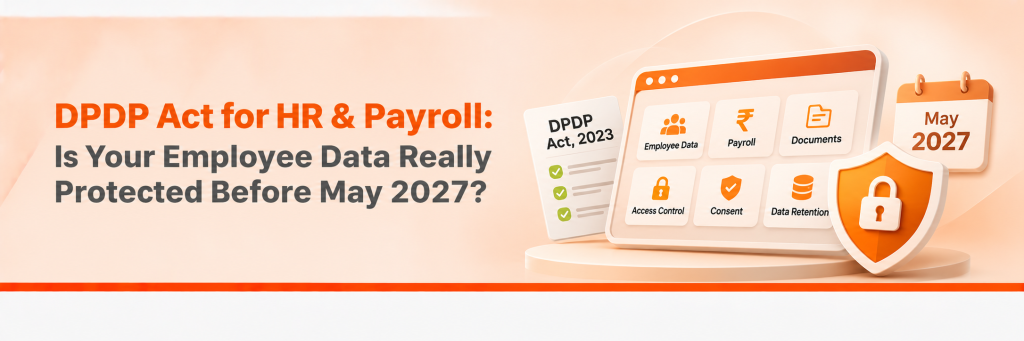
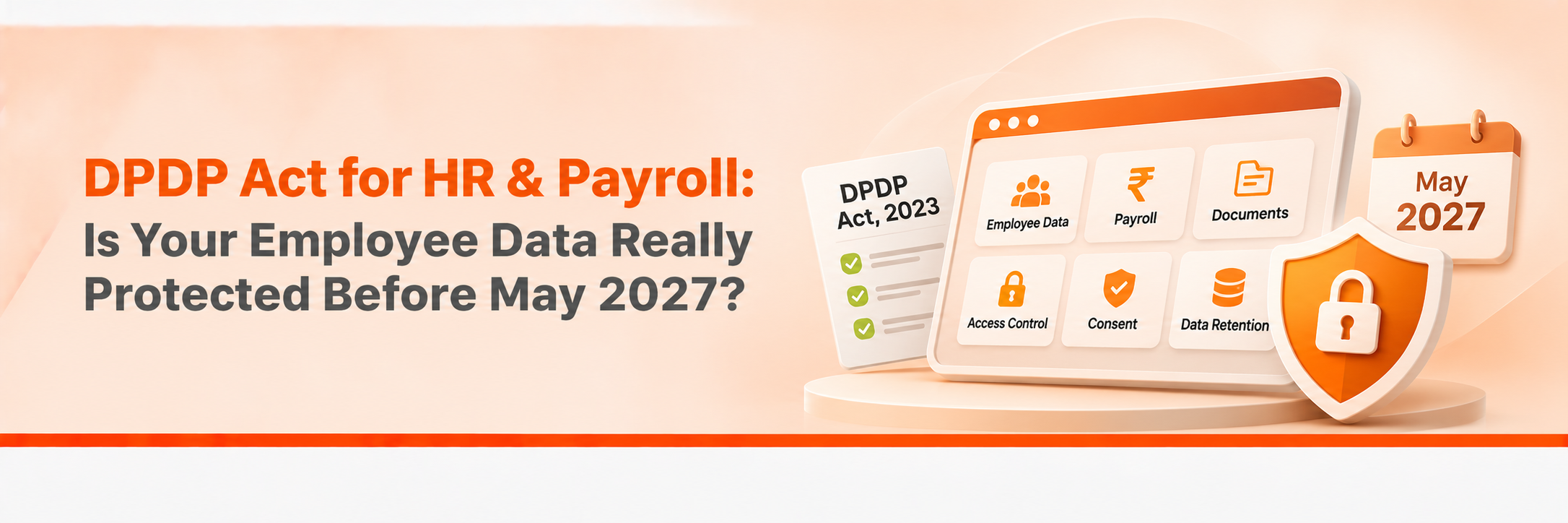
That’s why the Digital Personal Data Protection (DPDP) Act, 2023 is becoming increasingly important for HR and payroll teams across India.
With key employee-data compliance requirements expected to take effect from 13 May 2027, organizations have a limited window to review how they collect, store, access and manage employee information.
The real question isn’t whether the law will affect HR.
It’s whether your current HR processes are ready for it.

From the day a candidate applies for a role until long after they leave the company, HR handles personal data at nearly every stage of the employee lifecycle.
This typically includes:
Under the DPDP framework, employers are generally responsible for ensuring that this data is handled appropriately and protected against misuse, unauthorized access and accidental disclosure.
In other words, data privacy is no longer just an IT responsibility.
HR, payroll, management and technology teams all have a role to play.
One of the biggest myths surrounding the DPDP Act is that employers will need employee consent for every single HR process.
Luckily, that’s not how the law works.
Some employment-related activities, such as salary processing, attendance management, statutory compliance and employee benefits administration, may be done without seeking separate consent every time.
However, situations involving data use outside normal employment purposes deserve closer attention.
For example:
These cases may require additional disclosures, consent or another valid legal basis.
The key takeaway?
A generic consent clause hidden inside an appointment letter is unlikely to be enough.
HR teams should clearly understand why each category of employee data is being collected and how it is being used.
The good news is that DPDP readiness doesn’t require a complete transformation overnight.
Most organizations can make meaningful progress by starting with a few practical steps.
Employee information is often scattered across multiple systems.
It may be stored in:
Create an inventory of employee data and identify who can access it.
You may be surprised by how many people currently have visibility into information they don’t actually need.
Employees should clearly understand:
Transparent communication builds trust and helps avoid confusion later.
Payroll data is among the most sensitive information an organization holds.
Ask yourself:
If the answer to any of these raises concerns, it’s time to strengthen security controls.
Not every employee record should be stored forever.
Organizations should define retention periods for:
Once the purpose for retaining information no longer exists, unnecessary personal data should be securely removed unless another law requires its preservation.
No organization expects a data breach.
But every organization should know how it would respond if one occurred.
Create a clear incident-response plan that answers questions such as:
Being prepared before a problem happens can make a big difference.
If you use an external payroll or HR service provider, you’re not alone.
Many businesses do. But remember, your company is still responsible for employee data.
That’s why it’s important to choose vendors that handle information securely and follow good data-protection practices
When employee information is spread across spreadsheets, emails, and shared folders, it’s much harder to keep track of who has access to what. This can increase the risk of data leaks and accidental sharing.
A modern HRMS or payroll system can make managing employee data much easier by offering features such as:
That said, software alone cannot guarantee compliance.
Even the best HRMS cannot protect employee data if proper policies and processes are not in place. Organizations also need to train employees on handling personal information responsibly.
The most effective approach combines the right technology, clear policies, and a privacy-conscious workplace culture.
HR teams already have a lot on their plate, from managing payroll and compliance to supporting employees and driving business growth.
Now, protecting employee data is becoming an equally important responsibility.
The organizations that start preparing today will find it much easier to meet future requirements and strengthen employee trust.
Because DPDP compliance is about more than following a law.
It’s about showing employees that their personal information is valued, respected, and kept safe.