October 9, 2026
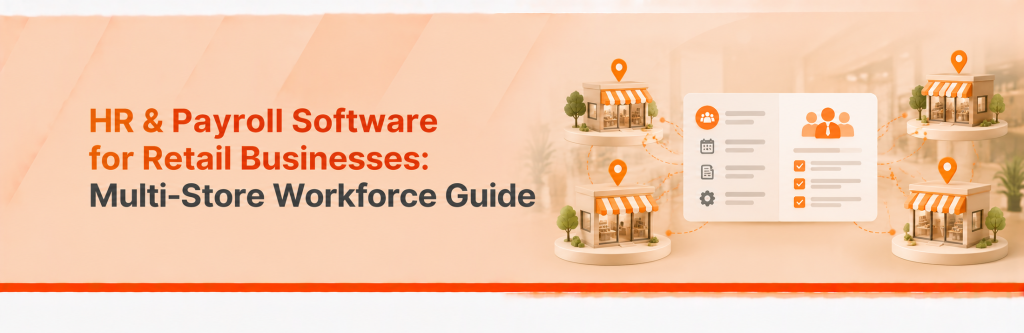
HR & Payroll Software for Retail Businesses: Multi-Store Workforce Guide
HRMs Software, Payroll software
ReadDiscover Why OpportuneHR is the best HRMS Software in India! Schedule a Demo OR Call us @ +91 7700-954949


 Visited 2 times


Anyone who has worked in a hotel or restaurant knows that things don’t always go according to plan.
A staff member calls in sick just before their shift. The restaurant gets busy, and a few employees have to stay back. Housekeeping is running behind because several guests have requested a late checkout.
For the operations team, this is part of the job. Everyone adjusts and gets on with the day.
But someone still has to keep track of all those changes.
Was the extra shift recorded? Did the manager approve the attendance correction? Was the leave updated before payroll was processed?
Usually, that responsibility falls on HR.
When a business has a small team, managing these details manually may be manageable. But when there are hundreds of employees or several hotels and restaurants to look after, things can get messy.
This is where hospitality HR software can help. It gives HR a more organised way to manage employee information, attendance, leave and payroll without spending so much time chasing updates.

Think about a typical hotel.
The front desk has its own shifts. Housekeeping starts early. The kitchen follows a different schedule, while restaurant staff may work longer hours on weekends. Security teams may need round-the-clock coverage.
Now imagine managing attendance and leave for all these employees.
One department uses an Excel sheet. Another sends updates on WhatsApp. A supervisor tells HR about a shift change over the phone. Someone forgets to update the attendance record.
None of this is unusual. In fact, many HR teams deal with these situations regularly.
The trouble starts when all this information has to come together, especially at the end of the month.
Hotel HR software helps keep employee records, attendance, leave and payroll information organised in one place. Instead of collecting details from different people every time something needs checking, HR has a central system to refer to.
It may sound like a small change, but it can make everyday work considerably easier.
In hospitality, a shift roster is rarely the final word.
An employee may request a change, someone may need to cover a colleague, or a manager may ask a team member to work on a scheduled day off.
These changes are often necessary to keep the business running. The problem is that the information doesn’t always reach everyone who needs it.
A manager knows that an employee worked an extra shift, but HR has the original schedule. Payroll then has to figure out which information is correct.
With hospitality workforce management software, managers can maintain schedules and record approved changes. HR can refer to the updated information when reviewing attendance and preparing payroll.
The software won’t prevent last-minute changes. Nothing really can in this industry. But it can help ensure that those changes don’t get lost along the way.
Ask an HR executive about month-end attendance, and the answer probably won’t be, “It’s easy.”
There are missed punches to check, leave records to verify and attendance corrections waiting for approval. Sometimes, an employee has worked the shift but the system doesn’t show it correctly. At other times, a manager has approved a correction but hasn’t informed HR.
Each issue may take only a few minutes to resolve. The difficulty comes when there are dozens of them.
A good attendance system helps HR identify missing entries, check exceptions and follow up with the relevant manager before payroll begins.
For businesses with multiple properties, it also helps to have attendance information available centrally rather than waiting for separate reports from every location.
That means less time spent asking, “Can you please check this employee’s attendance?” and more time getting the actual work done.
Salary processing can become stressful when the payroll team has to correct information at the last minute.
An employee worked extra hours, but the attendance wasn’t updated. Someone took leave, but the approval is still pending. A new employee joined midway through the month, and their salary details need to be checked.
These are ordinary situations. Yet if the information isn’t recorded properly, they can lead to salary discrepancies and uncomfortable conversations with employees.
Hospitality payroll software helps bring attendance, leave and employee information together for payroll processing. For restaurants operating across multiple outlets, restaurant payroll software can also help organise payroll information across locations.
There is another important consideration for businesses in India: applicable statutory requirements such as PF, ESI, professional tax and TDS. The rules depend on the organisation, employee circumstances and relevant legislation, so payroll teams must ensure the correct requirements are followed.
Software can support calculations and record-keeping, but HR still needs to review the information and make sure everything is in order.
The biggest benefit is having fewer missing details to chase when salary day is approaching.
Hotels and restaurants often need additional staff during festive seasons, holidays or busy tourist periods.
When several employees join around the same time, HR has a lot to manage. Joining details need to be collected, employee records created and salary information entered correctly.
If these tasks are handled through separate files and messages, it’s easy for something to be missed.
Keeping employee information in one place makes it easier to track new joiners, update records and manage employee exits.
For a hospitality group with several locations, this also helps HR maintain a clearer picture of the workforce without relying entirely on individual property managers for updates.
“Where can I download my payslip?”
“How many leaves do I have left?”
“Has my attendance correction been approved?”
Employees need answers to these questions, and there’s nothing wrong with asking them. But when HR has to respond individually to every routine query, the workday gets interrupted again and again.
An employee self-service portal can help staff access information such as payslips and leave balances without having to contact HR every time. Managers can also handle assigned approvals through the system.
It’s a practical improvement. Employees can find information more easily, and HR gets a little more time to focus on hiring, employee concerns and other responsibilities.
Before choosing a system, look at the problems your HR team faces most often.
Can it manage different shifts and weekly offs? Can managers approve attendance corrections? Does payroll use the relevant attendance and leave information? Can HR access records across locations? Can employees easily find their own information?
Also, ask what happens when something falls outside the usual process.
Hospitality businesses deal with exceptions all the time. A system that works only when everything goes exactly to plan may not be much help when things get busy.
The software should fit the way your business operates, with as little unnecessary manual work as possible.
OpportuneHR brings employee records, attendance, leave, payroll and HR workflows together in one HRMS platform.
For hotels and restaurants, this can help reduce repeated data entry and make employee information easier to track across teams and locations. Configurable workflows can also help businesses align HR processes with their internal policies and approval structures.
Of course, every hospitality business has its own requirements. A hotel with several properties may need a different setup from an independent restaurant.
That’s why it’s worth discussing your actual shift patterns, payroll requirements and approval processes before deciding whether a system is the right fit.
Working in hospitality means dealing with people, changing schedules and unexpected situations every day. That’s unlikely to change, and it doesn’t need to.
What HR can change is how much time gets spent sorting out attendance, searching for information and correcting payroll records.
The right hospitality HR software can help make these tasks more manageable, leaving HR with more time for the people side of the job.
If you’re looking for a more organised way to manage HR and payroll across your hotel, restaurant or hospitality group, book an industry-specific demo with OpportuneHR to explore what would work for your team.