September 25, 2026
HR & Payroll Software for Manufacturing Companies in India
ReadDiscover Why OpportuneHR is the best HRMS Software in India! Schedule a Demo OR Call us @ +91 7700-954949



 Visited 73 times


Most entrepreneurs think that HRMS software is just a tool that helps in managing employee records or payroll. That’s why they stick to their Excel sheets. Or, at the most they use desktop software.
But that’s a narrow view. HRMS softwares are in a different league. These are HR tools that can transform a traditionally run company to a professional outfit. They streamline attendance, leave, payroll, but at the same time they are also a source of HR data.
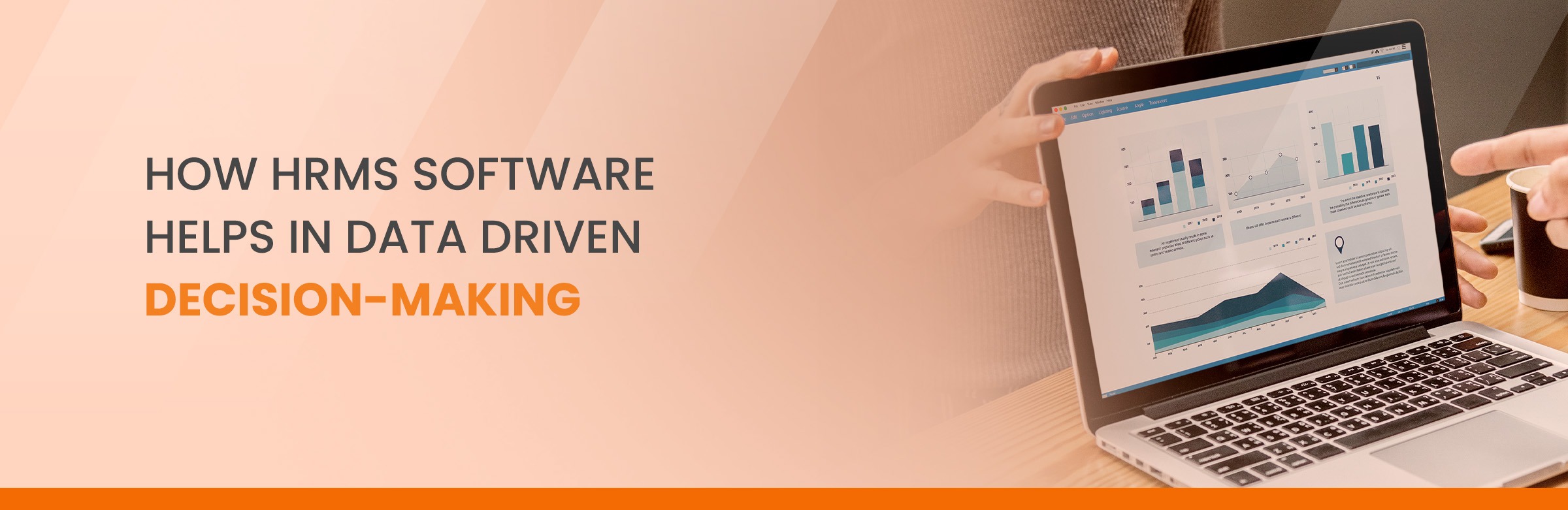
A good HRMS software presents the data on user-friendly dashboards. And various MIS reports provide actionable insights which helps a CHRO and a business owner to make informed decisions. These decisions helps them take human resource related decisions. But their scope goes must beyond.
Let’s see some examples, how HR software aids business decision-making in real-world scenarios.

HR software helps you predict workforce needs to take an example of a retail company. Its human resource needs are influenced by seasonal demands.
So a HR manager can take data from past years and can use predictive analytics to forecast seasonal hiring needs based on sales trends and historical employee turnover data.
Which means the temporary contract employees can be hired ahead of peak seasons, enabling the company to meet customer demand without overstaffing.
Benefit: This prevents understaffing during busy periods and reduces costs associated with excess labour.
You can understand what can be a huge impact in the case of manufacturing and other industries which also can also have seasonal production peaks and lows.
Data-Driven Candidate Screening is possible with top HRMS software.
Imagine a tech company with high employee hirings. The numbers are usually so huge that screening the resumes is a necessity. With an applicant tracking system (ATS) HR can score candidates based on their skills, experience, and cultural fit.
Hiring managers receive a ranked list of qualified candidates. This not only speeds up the recruitment process, but also improves the quality of hires.
Personal bias often kicks in when we evaluate and compare good performers. That’s why it becomes difficult to identify high performers for Promotions.
Data comes handy in such situations. A HR team can use HRMS along with the PMS module to track employee performance metrics, attendance, and training completion.
The system generates reports to show employees who consistently exceed targets. HR uses this data to identify candidates for leadership programs and promotions. This ensures that promotions are merit-based and aligned with organizational goals.
In today’s competitive environment retaining the best talent is vital. And tough at the same time. That’s why monitoring employee sentiment becomes very important. And it helps take corrective action in good time.
To give you a real world example, in BFSI sector employee burnout is a common complain. And the turnover is high. Our clients use pulse surveys integrated into our HR platform.
These are quick 90 second surveys that measure employee engagement regularly. The software analyses responses and can signal the trends of dissatisfaction or burnout in certain departments.
Management can then take targeted initiatives such as flexible work options or wellness programs. Some training programs are also organised to equip the employees with required skills. It helps reduce turnover costs by addressing issues before they escalate.
In some industries compliances are much more than just paying the right salary to employees, making correct reductions and making mandatory reports.
For example in the health sector various licences and training are mandatory for professionals.
As our HRMS is configured and customised for client industries, our clients in health care can track mandatory training, certifications, and legal documentation for employees easily. Automated alerts notify HR when certifications are about to expire. It ensures compliance with labour laws and industry regulations.
Designing compensation and benefits is a complex task. Many SME businesses simply don’t have the expertise. They go by gut feeling, or take arbitrary decisions under pressure. But designing and benchmarking salary and benefits become easier with HRMS. With an HRMS, HR can design professional salary structures and can implement pay scale management. It is also easier to plan performance-linked pay structures.
More importantly, it helps in analysing internal pay data against industry benchmarks. This ensures the company can compete in the recruitment market. Compensation and benefits data also helps finding any gaps in skill requirements and the budget requirements.
For example, if the company goes for aggressive growth, it is easy to estimate required numbers of employees, managers, and their compensation requirements.
The company can make competitive compensation and benefit plans as per the available HR budgets. In case of monetary gaps the management can reconsider growth targets, or can go for acquiring more finances for the human resource cost.
While it is not on the radar of many SME organisations, global enterprises and their subsidiaries take it seriously.
An HR platform keeps them abreast of gender, ethnicity, and age diversity across teams. The software dashboards can highlight gaps and progress toward diversity goals. A big help in supporting data-backed D&I strategies.
| Business Function | Use Case | Outcome |
|---|---|---|
| Workforce Planning | Forecast seasonal hiring needs | Optimal staffing, cost control |
| Recruitment | AI-based candidate screening | Faster hiring, better talent match |
| Performance Management | Identify high performers based on data without human bias | Merit-based promotions |
| Employee Engagement | Pulse surveys for sentiment analysis | Lower employee turnover |
| Compensation | Salary benchmarking, HR budget requirements | Competitive pay strategy |
| Diversity & Inclusion | Monitor diversity metrics | Inclusive culture
|
A top HRMS software is much more than just attendance, payroll & leave management software. It empowers businesses with rich HR data insights. The data helps management in making smarter decisions about their workforce. By leveraging real-time HR and payroll data companies can optimize their hiring, increase retention ratios, boost employee engagement and ensure compliance.