September 15, 2026
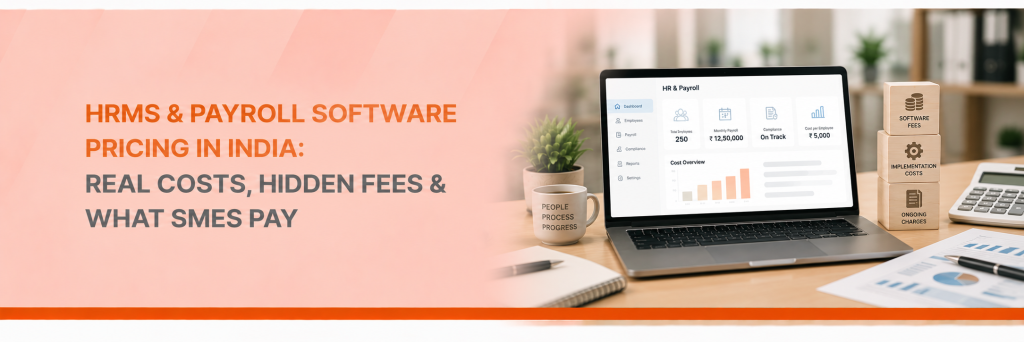
HRMS & Payroll Software Pricing in India: Real Costs, Hidden Fees & What SMEs Pay
ReadDiscover Why OpportuneHR is the best HRMS Software in India! Schedule a Demo OR Call us @ +91 7700-954949


 Visited 24 times


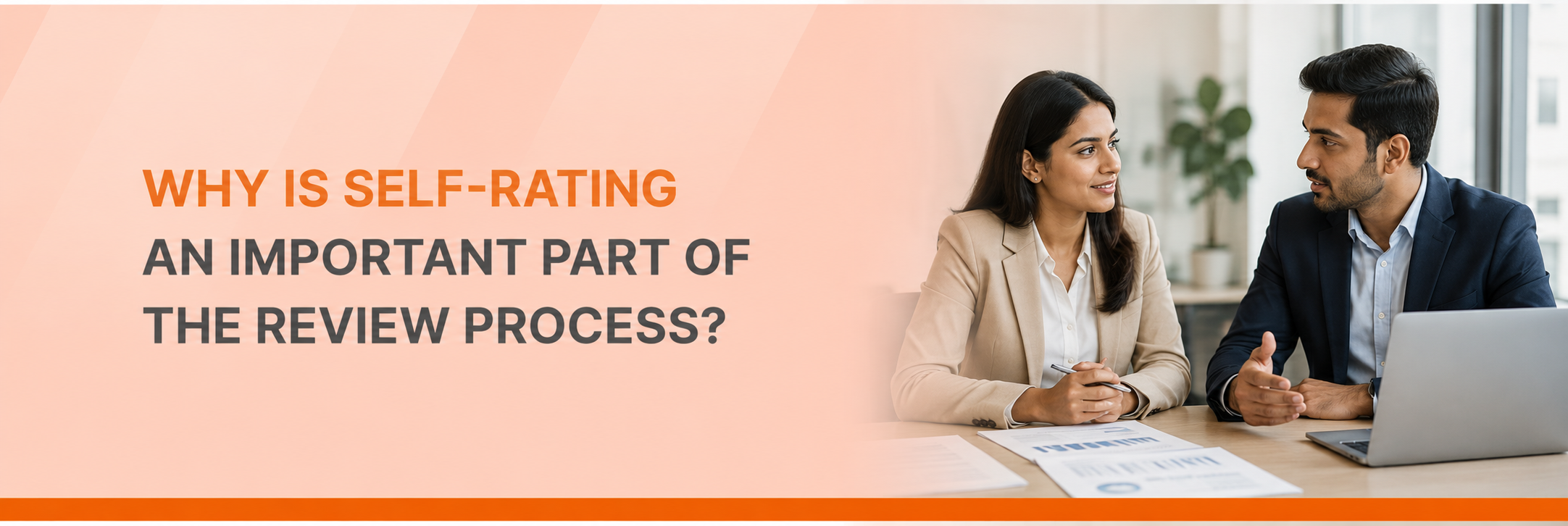
Let’s be honest—performance reviews can sometimes feel uncomfortable.
Employees often walk into review meetings wondering:
That’s exactly why self-rating matters.
It gives employees something most traditional reviews often miss—a voice.
Instead of performance reviews being a one-way evaluation, self-rating turns them into a real conversation. The right HRMS software can make this process seamless—giving employees a structured space to reflect and submit their inputs before the review even begins. And in today’s workplace, that makes a huge difference.

Self-rating is when employees evaluate their own performance before the final manager review.
Employees reflect on:
In simple words: Self-rating allows employees to share their own perspective on their performance.
Because managers don’t always see everything.
Employees experience the day-to-day reality of their work:
Self-rating gives employees a chance to highlight those contributions.
And more importantly, it makes employees feel heard.
Most people move from one deadline to another without stopping to think about how much they’ve actually grown.
Self-rating creates that pause.
Employees start asking themselves:
That level of reflection builds self-awareness—and self-aware employees usually perform better over time.
One of the biggest frustrations employees have during reviews is feeling misunderstood.
Sometimes managers focus only on outcomes, while employees remember the effort, learning, and challenges behind those outcomes.
Self-rating adds balance.
It helps managers see:
Reviews become more collaborative and less one-sided.
When employees evaluate themselves, they naturally become more responsible for their growth.
Instead of thinking:
“My manager will tell me how I performed.”
They start thinking:
“How can I improve and contribute better?”
That mindset shift is powerful.
Because growth happens faster when employees actively participate in the process.
Good performance reviews are not just about ratings.
They’re about conversations.
Self-rating opens the door to discussions around:
And honestly, those conversations are often more valuable than the final score itself.
For HR teams, self-rating helps create a healthier performance culture.
It supports:
Employees feel included in the process instead of simply being judged by it.
Yes, sometimes.
Some employees underrate themselves because they lack confidence. Others may unintentionally overrate themselves.
But that’s completely normal.
The purpose of self-rating is not to achieve a “perfect score.”
The real value lies in understanding:
Self-rating is less about numbers—and more about meaningful dialogue.
Managing self-reviews manually through spreadsheets or emails can quickly become messy.
This is where HRMS becomes extremely useful.
With the right HRMS Software, organizations can:
It makes performance reviews smoother, more organized, and much easier for both employees and managers.
Self-rating works best when employees are honest and specific.
Some common mistakes include:
The best self-ratings are balanced—they highlight both achievements and areas for growth.
Self-rating is important because it makes performance reviews feel more human.
It shifts the process from:
“The company is evaluating me”
To:
“I’m part of the conversation about my growth.”
And that small shift changes everything.
When employees reflect on their work, share their perspective, and openly discuss their progress, reviews become more meaningful—not just another HR process.
And with the support of the right HRMS Software, self-rating becomes even more effective, transparent, and easy to manage.
At the end of the day, people don’t just want feedback. They want to feel seen, understood, and valued for the work they do.