September 9, 2026
Best Payroll Software in India 2026: Feature & Compliance Comparison for SMEs
HRMS, Payroll, Payroll software, SME
ReadDiscover Why OpportuneHR is the best HRMS Software in India! Schedule a Demo OR Call us @ +91 7700-954949


 Visited 38 times


Every HR professional knows this truth (even if we don’t say it out loud):
you can do everything right in hiring and still lose a great employee because onboarding went wrong. Because the first few days felt cold, confusing, or careless.
Candidate onboarding is a very human phase. People join with excitement, a little fear, and a lot of hope. They want to feel reassured that choosing your organisation was the right decision. HR plays a quiet but powerful role in shaping that feeling.
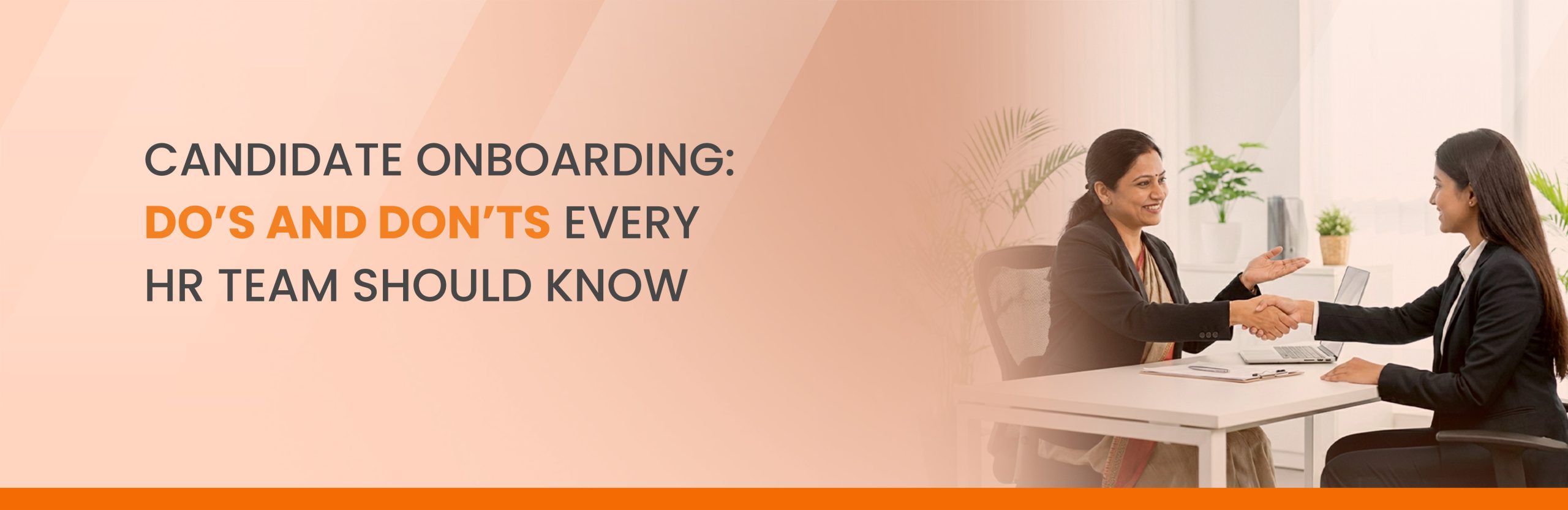
Here are the do’s and don’ts of onboarding, not from theory—but from everyday HR life.

Do Stay Present After the Offer Is Accepted
Once the offer letter is signed, candidates often feel… alone.
They don’t want to bother HR, but they also have questions:
Where do I go? What do I bring? Who do I talk to?
A short message saying “Feel free to reach out if you need anything” changes everything.
Most HR teams use HR Software to send pre-joining emails, but the warmth in the message matters more than the automation behind it.
Do Accept That Day One Is Emotionally Heavy
For HR, it’s another joining.
For the employee, it’s a big life moment.
They’re trying to remember names, understand systems, observe culture, and not make mistakes—all at once.
Keep Day 1 simple. Don’t rush. Don’t overload.
With HRMS Software, onboarding can be broken into phases—so learning feels supportive, not overwhelming.
Do Make Sure Someone Is Waiting for Them
Few things feel worse than walking into a new office where no one seems to know you’re joining.
HR may have done everything right—but if the manager isn’t available or the team isn’t informed, the experience falls apart.
HR Software helps assign responsibilities and send reminders, but HR must ensure the welcome feels intentional, not accidental.
Do Fix the Small Things Before They Become Big Signals
Laptop not ready.
Email not created.
System access pending.
These aren’t “small delays” to a new hire—they’re signs of how organised the company is.
A well-used HRMS Software ensures payroll, attendance, ESS, and statutory details are set up quietly in the background—so the employee can focus on settling in, not chasing access.
Don’t Reduce Onboarding to Forms and Files
Yes, documentation is important. Compliance matters.
But if onboarding becomes only about uploads, signatures, and checklists, people feel processed—not welcomed.
Use HR Software to manage admin work, so HR can focus on conversations, reassurance, and connection.
Don’t Dump Everything on the First Day
Policies. Processes. Tools. Expectations.
Too much information creates silence, not clarity.
Share what they need now. The rest can come later—digitally, through HRMS Software, at their own pace.
Understanding grows with time. Pressure does the opposite.
Don’t Assume Silence Means Comfort
Many new hires won’t speak up—even when they’re struggling.
They don’t want to look confused or unprepared.
A simple check-in—“How are you feeling so far?”—can make someone feel safe enough to open up.
HR Software helps schedule follow-ups, but empathy is what makes them meaningful.
Don’t Forget Them After the Welcome Is Over
Once the first week ends, HR attention often shifts to the next hire.
But this is when doubts quietly begin.
Regular check-ins during the first month and probation period matter. HRMS Software helps track these milestones—but consistency builds trust.
Candidate onboarding isn’t about perfection. It’s about presence.
The best onboarding experiences come from HR teams that combine smart HR Software with genuine care. HRMS Software can handle structure, compliance, and automation—but it’s the human moments that make employees feel they belong.
At the end of the day, onboarding answers one silent question every new hire has:
“Did I make the right choice?”
HR has the power to make that answer a confident yes.